Project Overview and Application
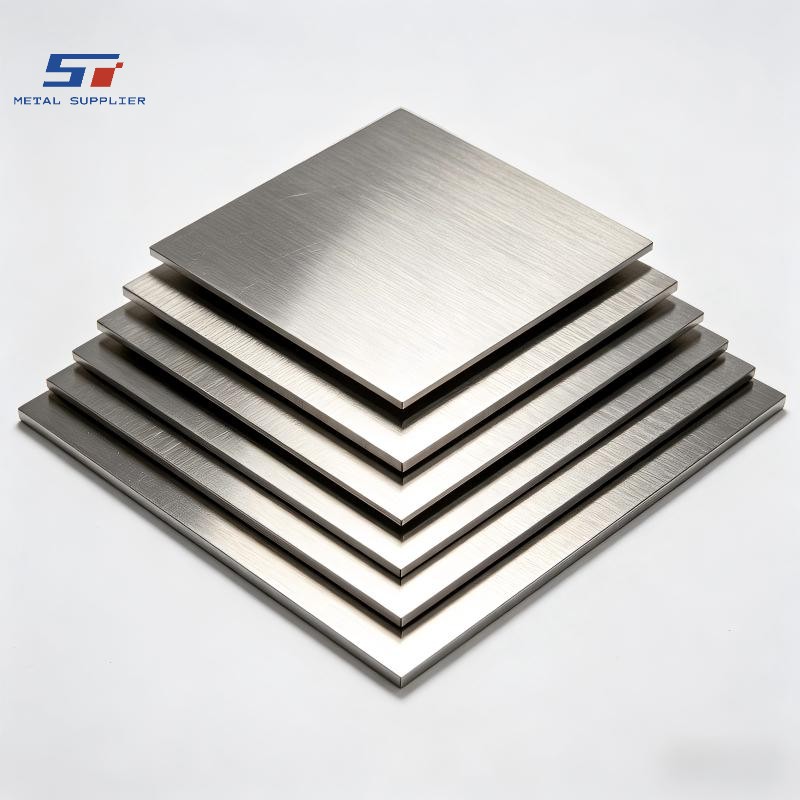
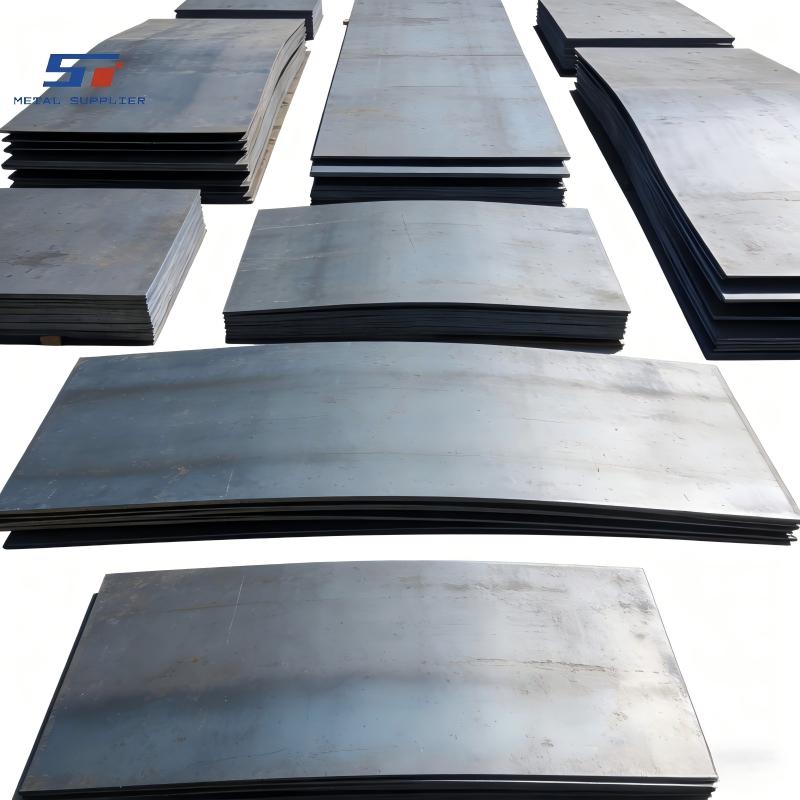
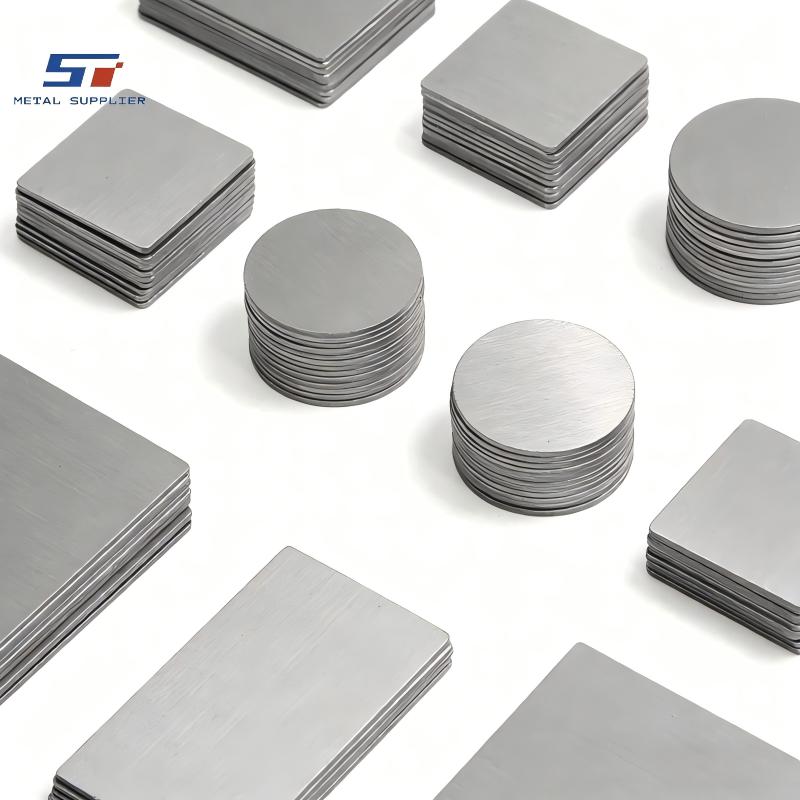
The supply of stainless steel plate cutting and machining solutions for food processing machinery is a task defined by the intersection of precision engineering and rigorous hygiene standards. In the food and beverage industry, the materials used to build processing equipment must not only withstand the mechanical stresses of operation but also resist the corrosive effects of food acids, moisture, and aggressive cleaning chemicals. Providing a solution in this context requires a deep understanding of how stainless steel behaves during the cutting and machining process and how those processes impact the final surface integrity of the component.
Application Context and Automated Requirements
Food processing machinery, ranging from industrial mixers and conveyors to bottling lines, pasteurizers, and slicing machines, operates in environments where microbial control is the highest priority. The stainless steel plates used to construct these machines—typically Grade 304 or 316L—must be fabricated with a focus on "hygienic design." This means that every cut edge must be perfectly smooth and every machined surface must be free of pits, burrs, or crevices where bacteria can colonize. The project context involves taking large-format stainless steel plates and transforming them into complex components that fit seamlessly into the machine’s assembly, all while maintaining the material’s passive oxide layer, which provides its corrosion resistance. The elimination of "dead zones" where food particles can accumulate is a critical design goal that influences every machining decision.
Technical Challenges in Stainless Plate Processing
The primary technical challenge in processing stainless steel plates for food machinery is managing the material’s tendency to work-harden. When stainless steel is cut or machined, the heat and pressure of the tool can cause the surface to become significantly harder and more difficult to process. This is particularly problematic for components that require subsequent drilling, tapping, or fine milling. Furthermore, stainless steel has a lower thermal conductivity than carbon steel, meaning heat stays at the cutting edge. If the temperature is not managed correctly through appropriate tool speed and cooling, it can lead to thermal distortion of the plate or "heat tint," a blue or straw-colored discoloration that indicates a depletion of chromium at the surface, which compromises corrosion resistance. Managing the residual stresses induced by the cutting process is also vital to ensure the plate remains flat and does not warp during final assembly.
Material and Process Choice: Precision Cutting Methods
Choosing the right cutting method is critical for achieving the balance between cost, speed, and hygienic quality. For food processing applications, laser cutting and waterjet cutting are the two most common choices. Laser cutting offers high speed and excellent precision for thinner plates (typically up to 20mm), producing edges that often require minimal post-processing. However, for thicker plates or components where the "heat-affected zone" (HAZ) must be completely avoided, waterjet cutting is the preferred solution. Because waterjet cutting is a cold process using a mix of water and abrasive garnet, it eliminates the risk of thermal distortion and preserves the metallurgical structure of the stainless steel throughout the entire thickness of the plate. The choice between these methods depends on the specific geometry of the part, the required edge finish, and the downstream machining steps. In some cases, a hybrid approach is used, where large shapes are laser-cut and critical features are then precision-machined.
Material Selection and Mechanical Properties
Material selection for conveyor frames typically favors structural carbon steel grades that offer a balance of weldability and strength. The choice between cold-formed and hot-finished rectangular tubes depends on the specific loading requirements of the warehouse. Cold-formed tubes often provide a better surface finish and tighter dimensional tolerances, which is beneficial for the aesthetics and precision of high-tech facilities. However, hot-finished tubes may be preferred for sections subjected to extreme loads due to their lack of residual stresses. The mechanical properties must ensure that the frame can support the dynamic weight of the moving cargo, which can range from light envelopes to heavy pallets, without exceeding the elastic limit of the steel. In regions with high seismic activity, the material must also exhibit specific elongation properties to ensure that the structure can absorb energy without catastrophic failure.
Machining Coordination and Dimensional Control
Once the plates are cut to the basic shape, they often undergo secondary machining processes such as milling, boring, or edge beveling. Production coordination in this phase is vital to ensure that the dimensional tolerances required by the machine designers are met. For components that will be part of a larger welded assembly, the accuracy of the edge preparation is paramount. A precisely beveled edge allows for better weld penetration and a smoother final weld bead, which is easier to grind and polish to a food-grade finish. Throughout the machining phase, specialized lubricants that are compatible with stainless steel and, where possible, food-safe, must be used to prevent cross-contamination from carbon steel particles. Such contamination can cause "tea staining" or localized corrosion that compromises the material's hygiene. The coordination team ensures that the CNC programs are optimized for stainless steel, using tools with specific geometries to minimize work-hardening and heat generation. This involves adjusting spindle speeds and feed rates to achieve the ideal chip formation, which helps carry heat away from the workpiece and preserves the integrity of the surface.
Surface Finishing and Passivation Protocols
In food processing machinery, the final surface finish is not just about aesthetics; it is a critical safety feature. After the mechanical cutting and machining stages, the components undergo a series of finishing processes to achieve the required smoothness. For many food-contact surfaces, this involves mechanical polishing to reach a "No. 4" or "Mirror" finish, which reduces the surface roughness to a level where bacteria cannot easily attach. Following the mechanical finishing, a chemical passivation treatment is often applied. This process involves treating the stainless steel with a mild oxidant, such as nitric or citric acid, to remove any "free iron" from the surface that may have been embedded during machining. Removing this iron allows the natural, protective chromium oxide layer to reform more uniformly, providing the highest possible resistance to the acidic environments common in food production. The coordination team must ensure that the passivation tanks are maintained at the correct temperature and concentration to ensure consistent results across all processed parts. This step is vital for equipment that will be used in processing salty, acidic, or moisture-rich products like dairy, meat, or fruit juices.
Quality Checkpoints and Surface Integrity Verification
Quality assurance for machined stainless steel components involves both dimensional and surface-level inspections. Technicians use precision measurement tools, such as digital calipers, micrometers, and CMM (Coordinate Measuring Machine) systems, to verify that the parts match the original CAD drawings with extreme accuracy, often within tolerances of a few microns. Beyond the dimensions, the surface roughness (Ra) is measured using a profilometer. For many food processing applications, the surface must meet a specific Ra value (often less than 0.8 microns) to ensure it can be effectively sanitized during "Clean-In-Place" (CIP) cycles. Additionally, the parts undergo a visual inspection under high-intensity light for any signs of surface contamination, mechanical damage, or tool marks that could serve as breeding grounds for pathogens. A crucial checkpoint is the verification of the passivation layer; in some cases, a chemical test or an electrochemical meter is used to ensure that the surface is truly passive and ready for service in a corrosive environment. Every batch is accompanied by a certificate of compliance, a detailed measurement report, and a material traceability log that links each component back to its original mill heat number.
Packaging, Delivery, and Site Integration
The final stage of the solution is the packaging and delivery of the finished components to the machinery manufacturer. Because the surfaces of food-grade components are highly sensitive to scratches, fingerprints, and environmental contamination, they are individually wrapped in protective plastic film or non-woven fabric. Large plates are often separated by wooden or plastic spacers to prevent metal-to-metal contact during transit. The delivery is coordinated to align with the manufacturer’s assembly schedule, ensuring that the components are not left exposed in a workshop environment where they might be contaminated by dust or debris from other fabrication activities. Clear documentation, including material traceability reports, MTCs, and dimensional inspection sheets, is provided with every shipment. This allows the client to integrate the parts into their production line with full confidence in their quality, hygiene, and compliance with industry standards such as EHEDG or FDA requirements.
Contact Shengtao Metal for Steel Product Solutions
If you are looking for reliable steel and metal product solutions, feel free to send us your inquiry.
Simply provide your specifications such as material grade, dimensions, quantity or application, and our team will respond quickly with professional support and a competitive quotation.
Email: stsalesman4@stmetal001.com



اطلب عرض سعر
امسح ضوئيًا إلى WeChat/WhatsApp :